

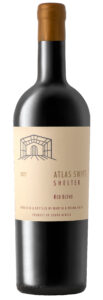
Red blends are among the most versatile and exciting wines you’ll encounter, offering winemakers the creative freedom to craft something truly unique. Unlike single-varietal wines that showcase one grape’s characteristics, red blends bring together different grapes to create a harmonious wine that’s greater than the sum of its parts. Understanding which grapes go into these blends can deepen your appreciation for the artistry behind each bottle.
This article explores the most common grape varieties used in red blends, from classic Bordeaux combinations to modern South African interpretations. We’ll look at what each grape contributes to the final wine, how different blending styles have evolved around the world, and what makes certain grape pairings work so well together.
The Classic Bordeaux Blend
The Bordeaux blend from France set the standard for red blends worldwide and remains one of the most influential styles in winemaking. This traditional approach typically features Cabernet Sauvignon and Merlot as the primary grapes, with Cabernet Franc, Petit Verdot, and Malbec playing supporting roles. Each grape brings distinct characteristics that, when combined skillfully, create a wine of remarkable depth and complexity.
Cabernet Sauvignon typically forms the backbone of these blends, contributing structure, tannins, and aging potential. Its bold flavors of blackcurrant, cedar, and tobacco provide a solid foundation. Merlot softens the blend with its plummy fruit flavors and velvety texture, making the wine more approachable in its youth while still allowing for graceful aging.
The supporting grapes add nuance and character. Cabernet Franc introduces aromatic complexity with notes of violets and herbs, while Petit Verdot contributes color, tannin, and spicy notes. Malbec, when included, adds a plush fruitiness and deep purple hue. The proportions of these grapes vary depending on the winemaker’s vision and the vintage conditions, which is what makes exploring different blended wines so rewarding.
Mediterranean and Rhône-Inspired Blends
Southern France’s Rhône Valley has inspired another important family of blended grapes that create wines with a completely different personality from Bordeaux styles. These blends typically feature Grenache, Syrah, and Mourvèdre, often called the GSM blend. This combination produces wines that are fruit-forward, spicy, and wonderfully expressive of their terroir.
Grenache usually takes the lead in these blends, offering ripe berry flavors, warmth, and generous alcohol levels. Its soft tannins and juicy character make it incredibly approachable. Syrah adds structure and darker fruit notes along with distinctive black pepper and olive characteristics. Mourvèdre brings earthy complexity, firm tannins, and excellent aging potential to round out the blend.
These Mediterranean-style blends have found tremendous success in regions like Australia, where Shiraz-Grenache-Mourvèdre combinations thrive in warm climates. Winemakers often include other grapes like Cinsault or Carignan to add further dimensions. The beauty of these blends lies in their ability to express both power and elegance, with the spicy, savory notes complementing the ripe fruit beautifully.
New World Innovation in Blending
Winemaking regions outside of Europe have embraced the art of blending with enthusiasm, often creating unique combinations that break from traditional European formulas. South African winemakers, for instance, have developed distinctive blended wines using various grapes to suit their diverse terroirs and climatic conditions. These innovative approaches have resulted in exciting wines that reflect their origins while honoring blending traditions.
In many New World regions, you’ll find blends that might combine Cabernet Sauvignon with Shiraz, or Malbec with Tempranillo. These unconventional pairings demonstrate that successful blending isn’t about following rigid rules but understanding how different grapes complement each other. A winemaker might choose grapes based on what grows best in their vineyard, what ripens at the right time, or what creates the flavor profile they’re seeking.
What makes New World blending particularly interesting is the willingness to experiment. Some winemakers incorporate Portuguese varieties like Touriga Nacional or Tinta Barroca, while others blend Italian grapes like Sangiovese with French varieties. This creative freedom has led to distinctive regional styles that offer wine lovers an ever-expanding range of flavors and experiences to explore.
How Winemakers Choose Grapes for Blending
The decision about which grapes to use in a red blend involves both art and science, with winemakers considering numerous factors before making their final selection. Climate and soil conditions play a huge role, as certain grapes thrive in specific environments. A winemaker must work with what grows successfully in their vineyard while still pursuing their creative vision for the final wine.
Each grape variety ripens at different times and brings specific characteristics to the blend. Some grapes provide structure and tannins that help the wine age gracefully, while others contribute aromatic complexity or vibrant fruit flavors. The winemaker’s job is to identify which components are needed and in what proportions. They taste individual lots of wine from different grape varieties and vineyard blocks, then blend them in various combinations until they achieve the desired result.
Vintage variation also influences blending decisions. In cooler years, a winemaker might increase the proportion of a grape that ripened well, while reducing another that struggled. This flexibility is one of the key advantages of blending compared to single-varietal wines. The winemaker can adjust the recipe each year to create the best possible wine from that harvest, ensuring consistency in style even when growing conditions vary.
In Conclusion
Understanding the different varieties used to create red blends opens up a whole new dimension of wine appreciation. From the structured elegance of Bordeaux-style blends to the spicy warmth of Rhône-inspired combinations and the innovative approaches of New World winemakers, blended red wines offer incredible diversity and complexity. Each grape contributes its unique personality, and skilled winemakers orchestrate these elements into harmonious, memorable wines.
If you’re ready to explore the world of expertly crafted red blends firsthand, we invite you to visit our tasting room in Franschhoek or browse our online store. Our red blend showcases the best of what South African terroir has to offer, combining carefully selected grapes to create a wine that balances tradition with innovation. Book your tasting experience today and discover the artistry behind every bottle.